
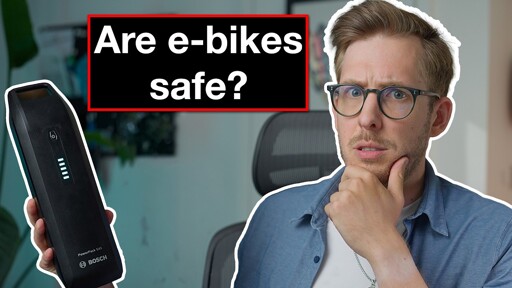
In brief, UK reporting on “ebike” collisions and battery fires confuses lawful, UK/EU-compliant electric bicycles with illegal, unregistered, uninsured electric motorcycles. As a result, public perception is deeply skewed compared to the actual risks posed by bona-fide electric bicycles.
A similar phenomenon can be seen in California, but there is drafted legislation to mandate accurate advertising of “e-motos” versus ebikes, with fines accruing to vendors that fail to correctly represent what they’re selling.
IMO, it’s hard for me to blame consumers whom, given high gasoline/petrol prices, need some form of transportation that gets them where they need to go and minimizes external harms (eg automobile risk of injury). Evan correctly identifies vendors and importers that flout the law and push the legal risk into riders. At the same time, e-motos are legit for off-road use and here in California, they’re great fun in that regard. At bottom, fair advertising isn’t controversial; it’s no different than wanting to know the ingredients in food products.
On a separate note, Evan also flagged a case of police misidentification and confiscation of a lawful e-bike. Which I find particularly surprising, given that UK police tend to be more uniformly instructed than their American counterparts. No doubt that Californian police have also confused ebikes with electric motorcycles on occasion, but the result in the UK seems is to go immediately to confiscation and destruction without any meaningful system of review. Which seems problematic, at best
The average fit road cyclist can hit 28mph+ if they sprint or are on a slight hill, I never got the concept that bicycles don’t go that fast vs ebikes, they’re often just as fast with a good rider.
Requiring helmets is always good though, plus ebikes shouldn’t be riding with pedestrians at 28mph, most mixed paths either ban ebikes or limit to class 1 at 20mph, often with lower speed limits listed on paths too.