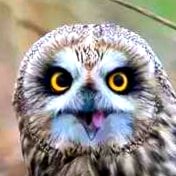


From South African Wildlife Rehab Center
A few days ago, Judy headed out to the Delmas area to collect an owl.
Now before anyone shrugs and says, “It’s just an owl,” we need to stop you right there.
This was not just an owl.
Waiting for Judy was a juvenile African Grass Owl… and suddenly the wildlife equivalent of a routine house call became a bit more like being handed the keys to a very nervous, feather covered Ferrari.
Why all the excitement?
The African Grass Owl is listed as Vulnerable under South Africa’s TOPS (Threatened or Protected Species) regulations.
Fewer than 5,000 mature birds are thought to remain across southern Africa, and their numbers continue to decline due to habitat destruction, poaching, wildfires, vehicle collisions, fences and secondary poisoning.
In other words, every single Grass Owl matters.
With that in mind, Judy wasted no time arranging a full medical examination.
The youngster was promptly chauffeured off for a nose to tail (or perhaps more accurately, beak to talon) inspection by the ever patient Dr. Garith at Selpark Veterinary Clinic.
(And we may have accidentally made his week)!
As it turns out, this was the very first African Grass Owl Dr. Garith has ever had the opportunity to examine.
Now imagine spending years as a veterinarian and then suddenly finding a Vulnerable African Grass Owl on your examination table. That’s a bit like a birdwatcher stumbling across a unicorn having a quiet afternoon stroll.
Needless to say, Dr. Garith was rather excited.
The owl, on the other hand, seemed significantly less impressed by the occasion and expressed its feelings through a series of disapproving stares and what can only be described as aggressive fluffiness.
The good news is that, after a thorough examination, the youngster appears to have escaped serious injury.
Apart from one tender wing and a bruised sense of dignity following all the fuss, there were no fractures, no permanent damage, and every indication that this bird should make a full recovery.
Which means that, with a little rehabilitation and some time to perfect its owl skills, our young patient should soon be heading back where it belongs… soaring over grasslands, hunting rodents and hopefully avoiding roads!
For a species with numbers this low, every Grass Owl counts.
Even the ones that insist on terrifying rehabilitators, delighting veterinarians, and turning an ordinary weekday into a very memorable one.
That is one beautiful owl. Though the circumstances weren’t great I’m happy to see the pictures and being able to admire it.
Just when I think I’m totally in love with the crisp white barnies, one like this comes along, and I get all ooooo… maybe I’m into the dark side after all… They’re all so great!
I got a great Sooty Owl photo in the queue, so they’ll be an extra dark Tyto coming for you guys as well!